Future-Proofing a St Helens Home with Rooftop Solar PV

Green Sky Renewables Solar Panels

Project Highlights

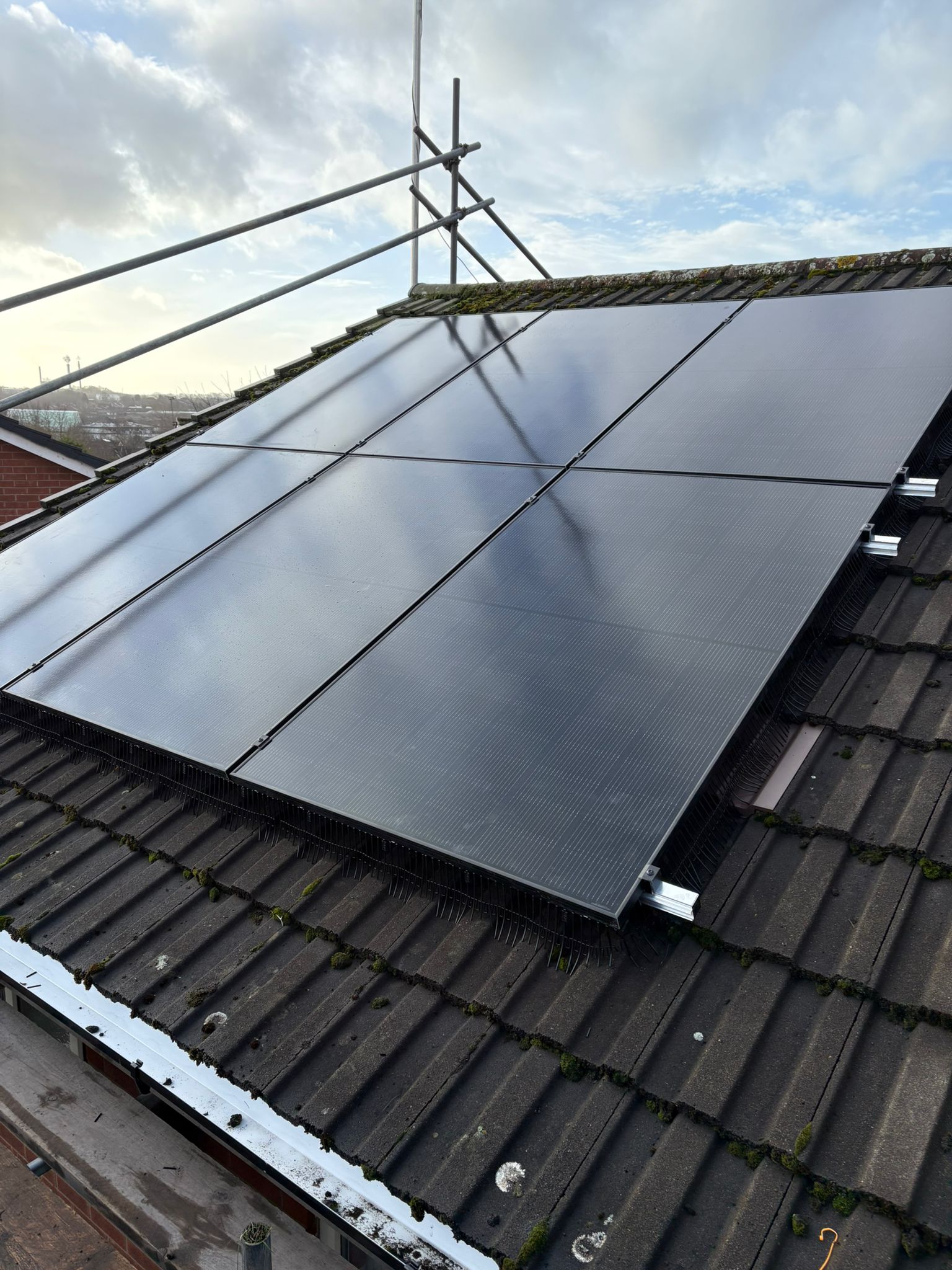
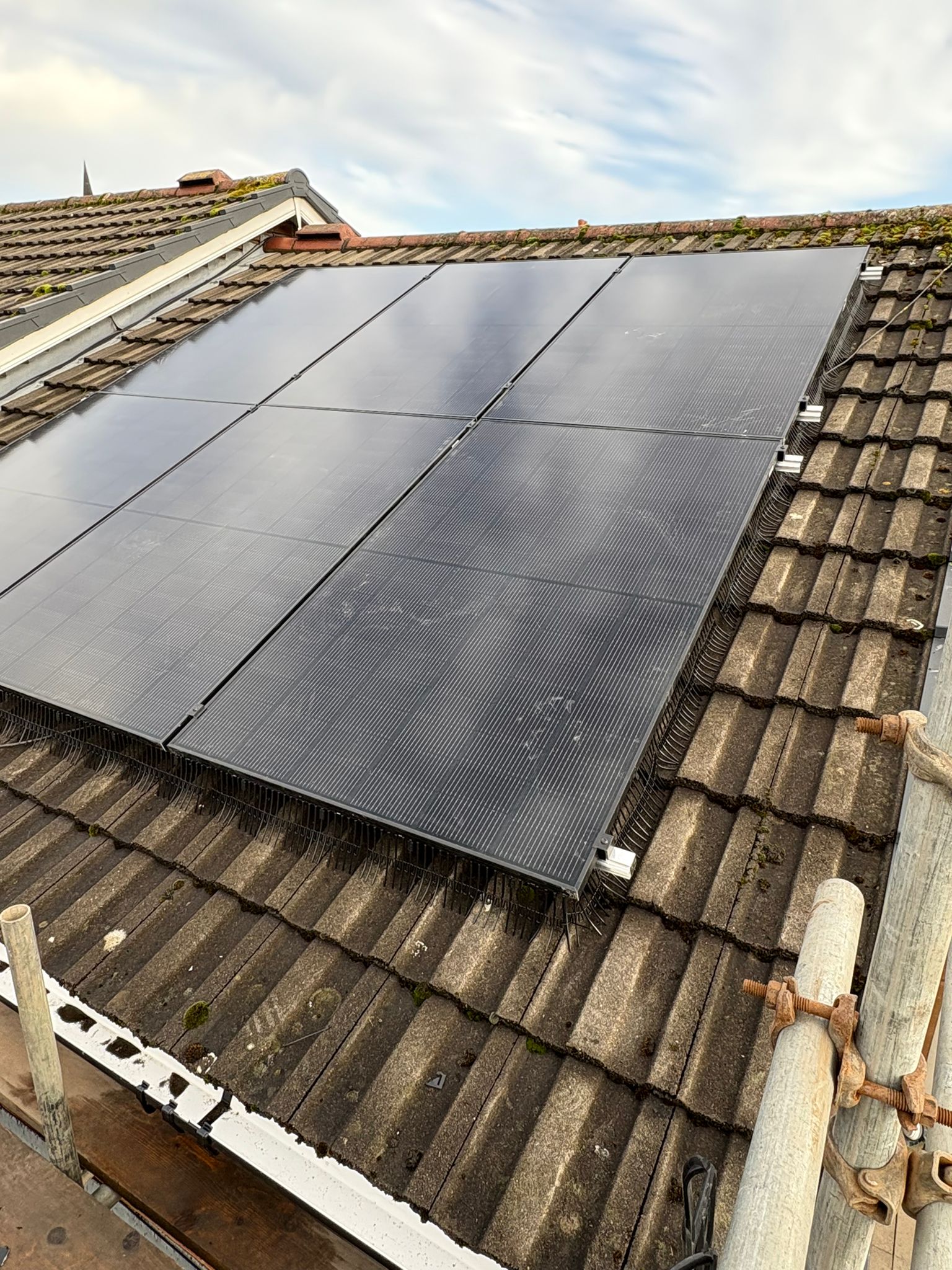
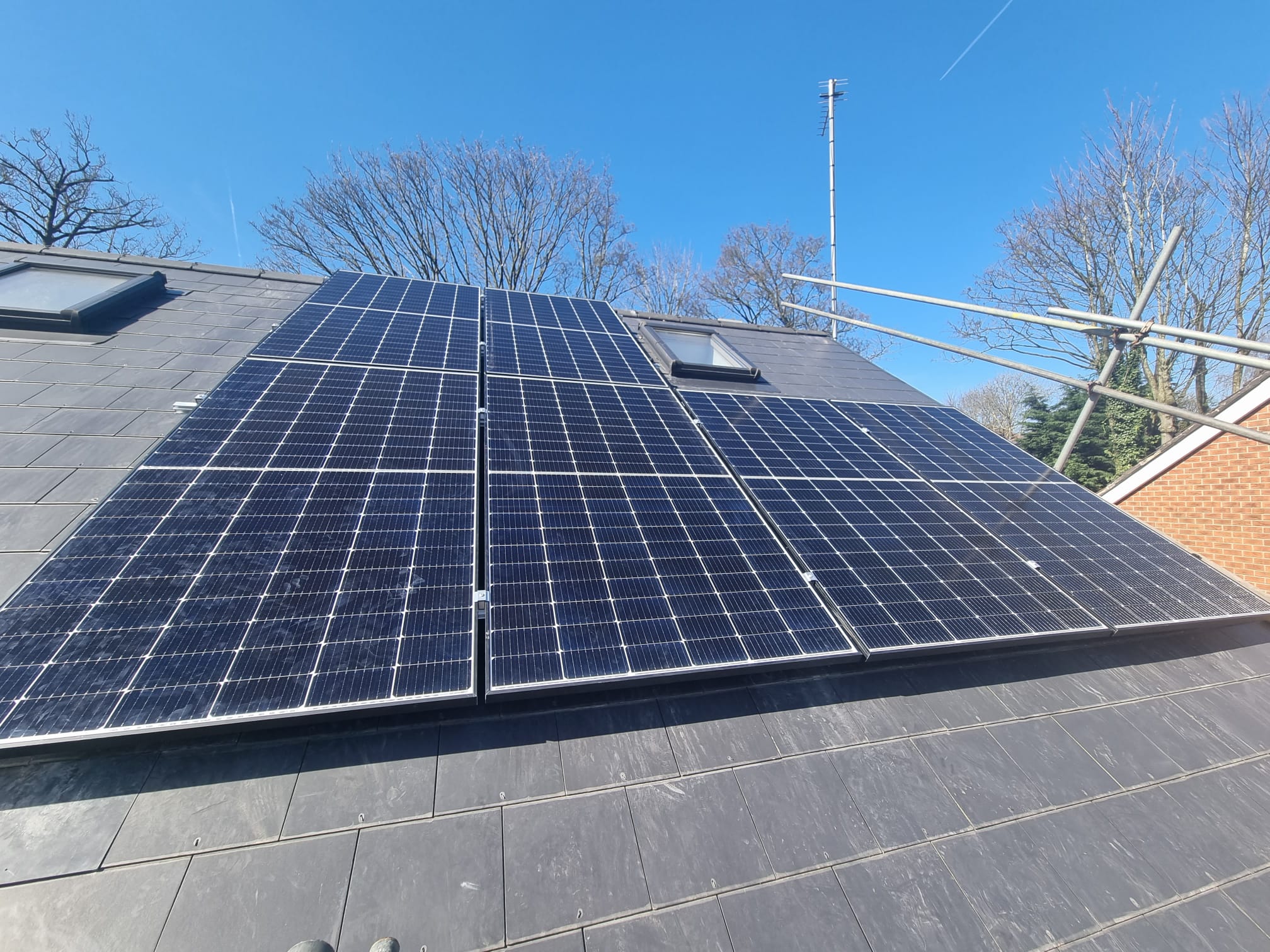
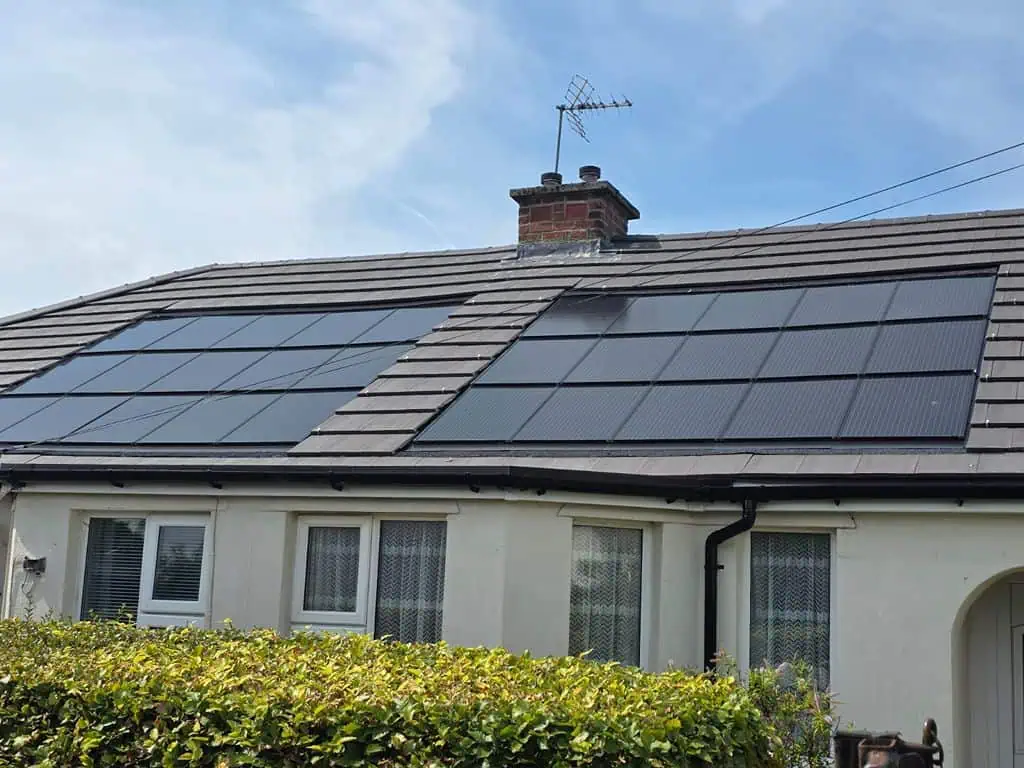
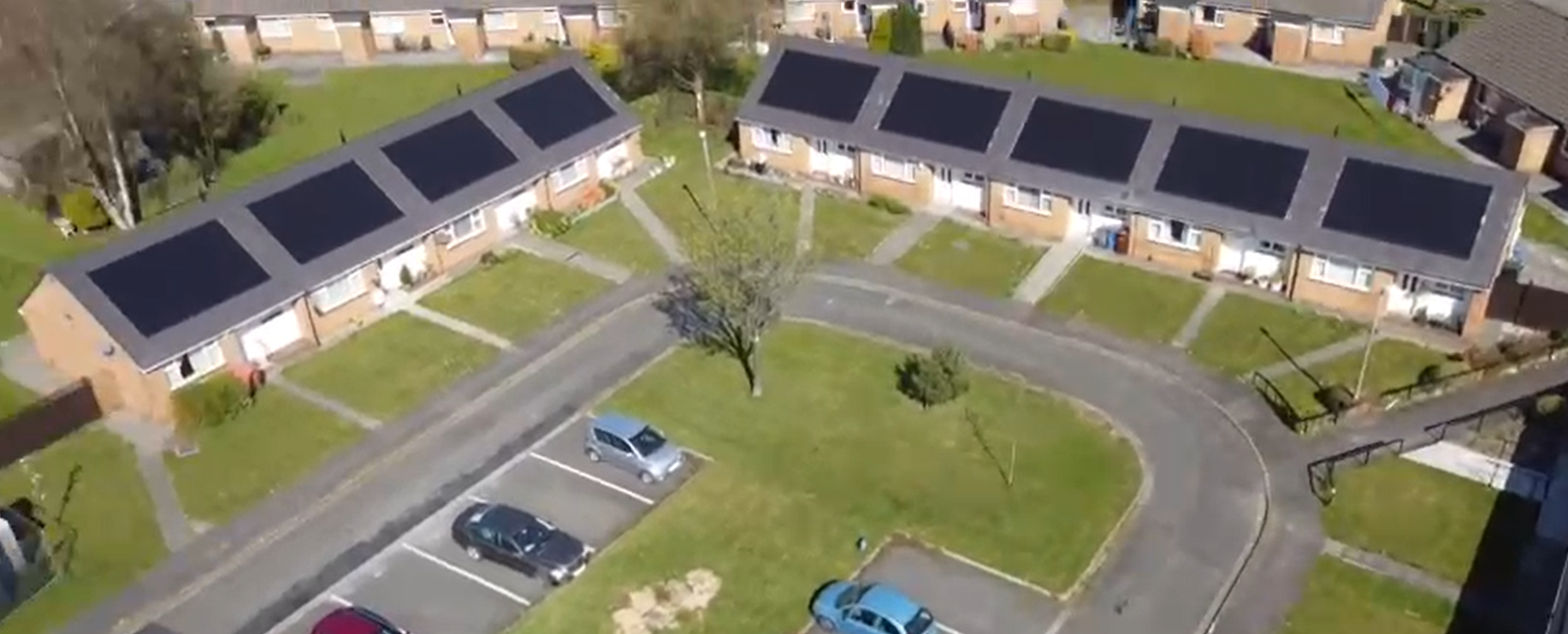
This domestic solar project in St Helens was designed with a clear focus on practical, real-world performance and long-term benefits for the homeowner. The system comprises 12 × 455W all-black bifacial DMEGC solar panels, arranged in two strings to create an east–west split array. This orientation was the only feasible option due to the property’s roof facing east and west. While not as favourable as a south-facing array, it allows the household to capture sunlight from early morning through to late afternoon, providing a balanced generation profile across the day. The installation goal was a focus on ensuring that the system delivers meaningful reductions in grid reliance and energy costs.

Our Solution

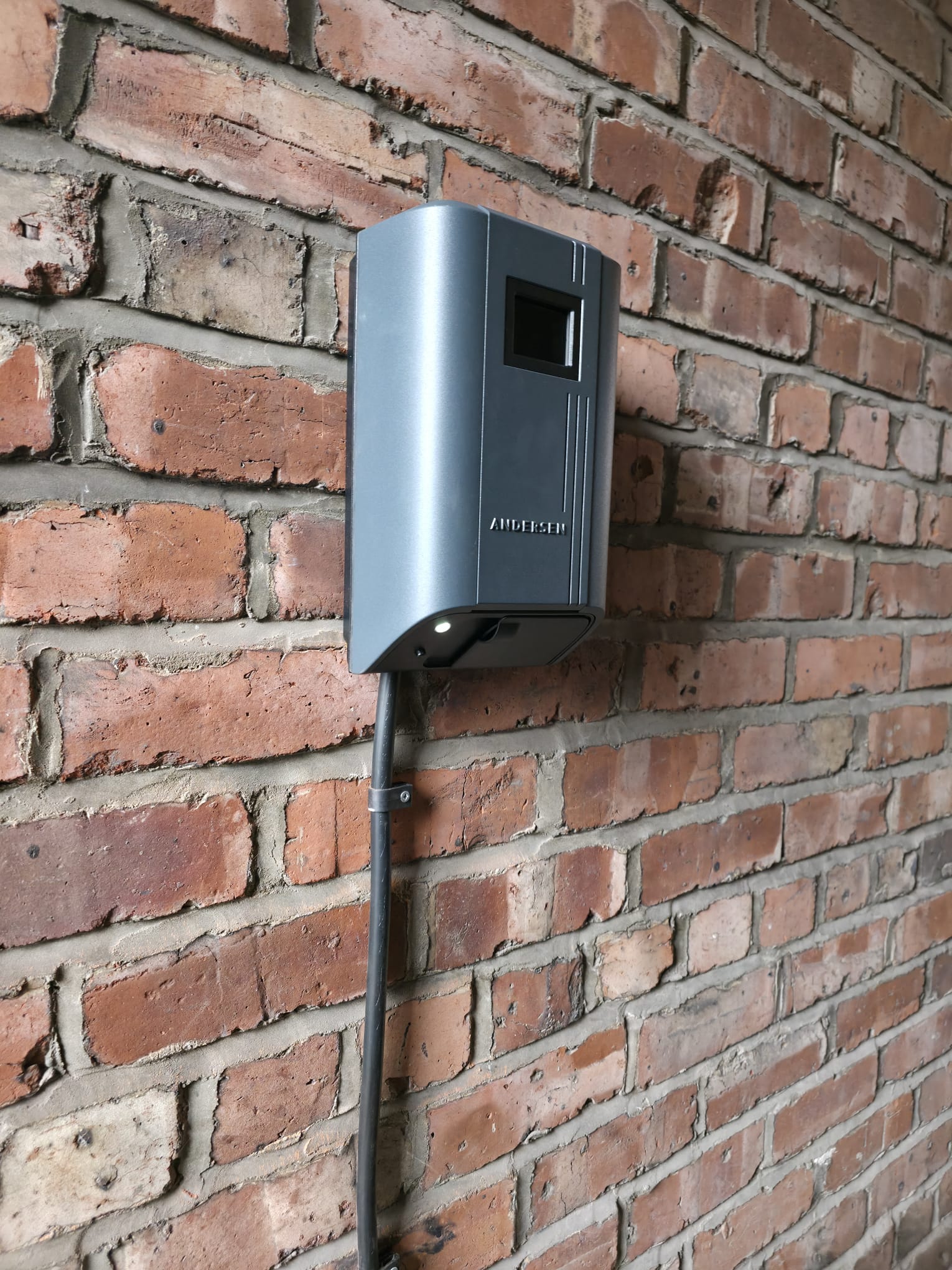
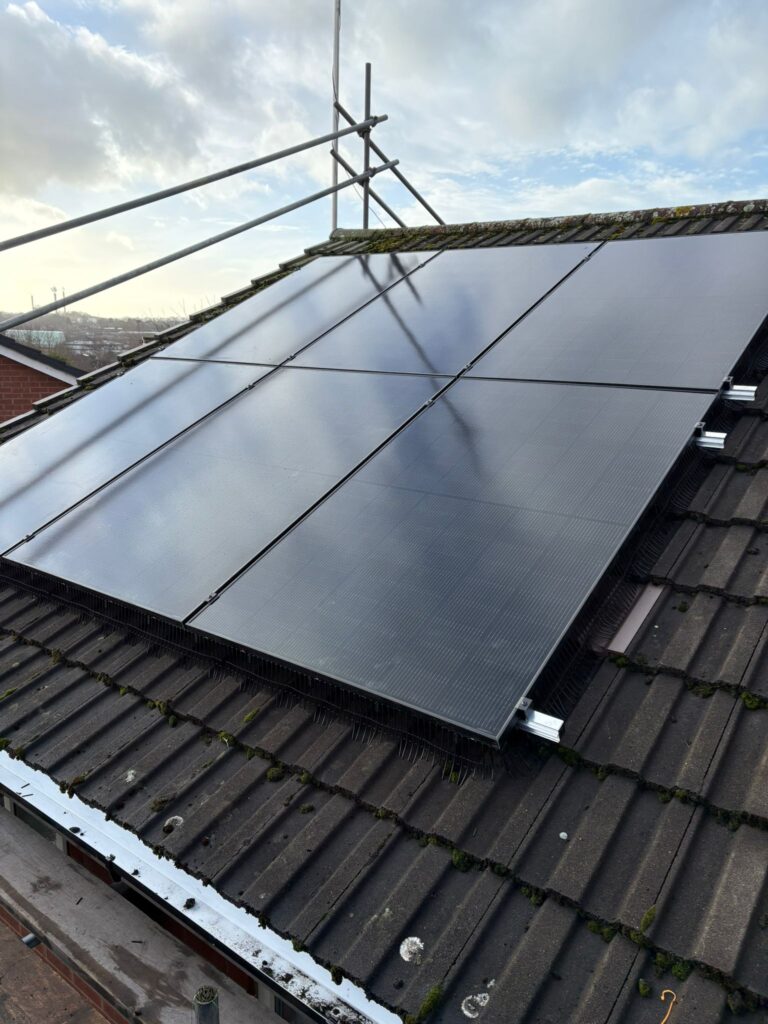
To ensure the installation was robust, long-lasting, and visually discreet, we used our preferred German-manufactured SFLEX mounting system. Known for its strength, lightweight design, and reliability in UK conditions, SFLEX provides a secure base for the bifacial panels and guarantees consistent performance over time. Bird Blocker was fitted to the panels to prevent nesting beneath them, which protects the panels from debris accumulation and hotspots while safeguarding the homeowner’s long-term investment. The DC cabling was carefully routed through the loft before exiting at the gable end and running down the external wall in black conduit. This keeps cables protected from the elements, visually discreet, and fully compliant with safety standards. The electrical setup feeds into a Solax X1 5kW G4 hybrid inverter coupled with a Solax 5.8kWh battery, allowing surplus solar energy to be stored for use later in the day. This combination of high-quality hardware, thoughtful design, and attention to detail ensures the system is effective, reliable, and practical for the household’s needs.

The Outcome

The homeowner’s primary goals were to reduce reliance on the grid, cut energy bills, and future-proof the property against rising electricity costs. Despite the east–west orientation, the system achieves these objectives effectively by prioritising self-consumption and storing surplus energy in the battery. The household now uses significantly less grid electricity and enjoys a more stable energy supply throughout the day. Environmentally, the system delivers measurable benefits, reducing carbon emissions by around 1.0 tonne of CO₂ per year. Over the system’s lifetime, this equates to avoiding more than 28,500 kilometres of car travel, planting the equivalent of 183 trees, or avoiding the emissions from 20 long-haul flights. Financially, the system is expected to achieve a return on investment within six years, offering a sustainable, cost-effective solution that meets both environmental and economic goals.

Conclusion

This St Helens solar project showcases the practical benefits of a well-designed solar and battery system tailored to the homeowner’s needs. Using high-efficiency DMEGC bifacial panels, a Solax X1 5kW G4 hybrid inverter, and a 5.8kWh Solax battery, the system not only generates clean energy but also allows flexible management of how that energy is used. The homeowner can adjust the system to store surplus solar generation for later use, or charge the battery overnight using off-peak tariffs, ensuring electricity is consumed when it is most cost-effective. The setup can be operated in smart ways to optimise self-consumption and maximise financial savings, providing control over energy use while reducing grid reliance. This project demonstrates how modern solar and battery systems can be configured to work intelligently around a household’s lifestyle, delivering both environmental and economic benefits in a simple, efficient, and adaptable way.

View Other Projects

Ready to Explore Your Renewable Energy Options?

Our technical team provides comprehensive property assessments and detailed system proposals with no obligation. Contact us to arrange your professional solar survey and discover how renewable energy can reduce your operating costs whilst contributing to the UK’s net-zero targets.

"*" indicates required fields