When you invest in solar panels, you’re not just making a home improvement – you’re making a long-term investment that pays you back year after year. Unlike a new kitchen or conservatory, solar is one of the few upgrades that can generate a return without you ever having to sell your home. Protecting that investment from day one is critical, and one of the biggest threats to your system’s performance and longevity is something you might not expect – birds.
Why Birds Pose a Problem for Solar Panels
On-roof solar panels create the perfect sheltered space for pigeons and other birds to nest. Unfortunately, these unwelcome guests can cause serious and costly problems, including:
- Cable Damage – Birds don’t chew cables like rodents, but their movement, pecking, and nest building can disturb wiring, wear down insulation, or pull cables out of position. This can lead to faults or even complete system shutdowns over time.
- Hot Spots – Nesting materials can block airflow and cause areas of the panel to overheat, reducing performance and, over time, damaging the panel.
- Water Ingress – Dislodged tiles, built up nesting materials or compromised roof areas can allow water into your home.
- Increased Maintenance Costs – Once birds are established, the removal process can be complex and expensive.
The Impact on Warranties and Performance
It’s important to know that bird-related damage isn’t covered under most manufacturer warranties. If cables are disturbed or panels are damaged by nesting activity, repairs may need to be paid for out of your own pocket. That means without bird protection, you could be risking your return on investment and shortening the lifespan of your system.
Why We Install Bird Protection as Standard
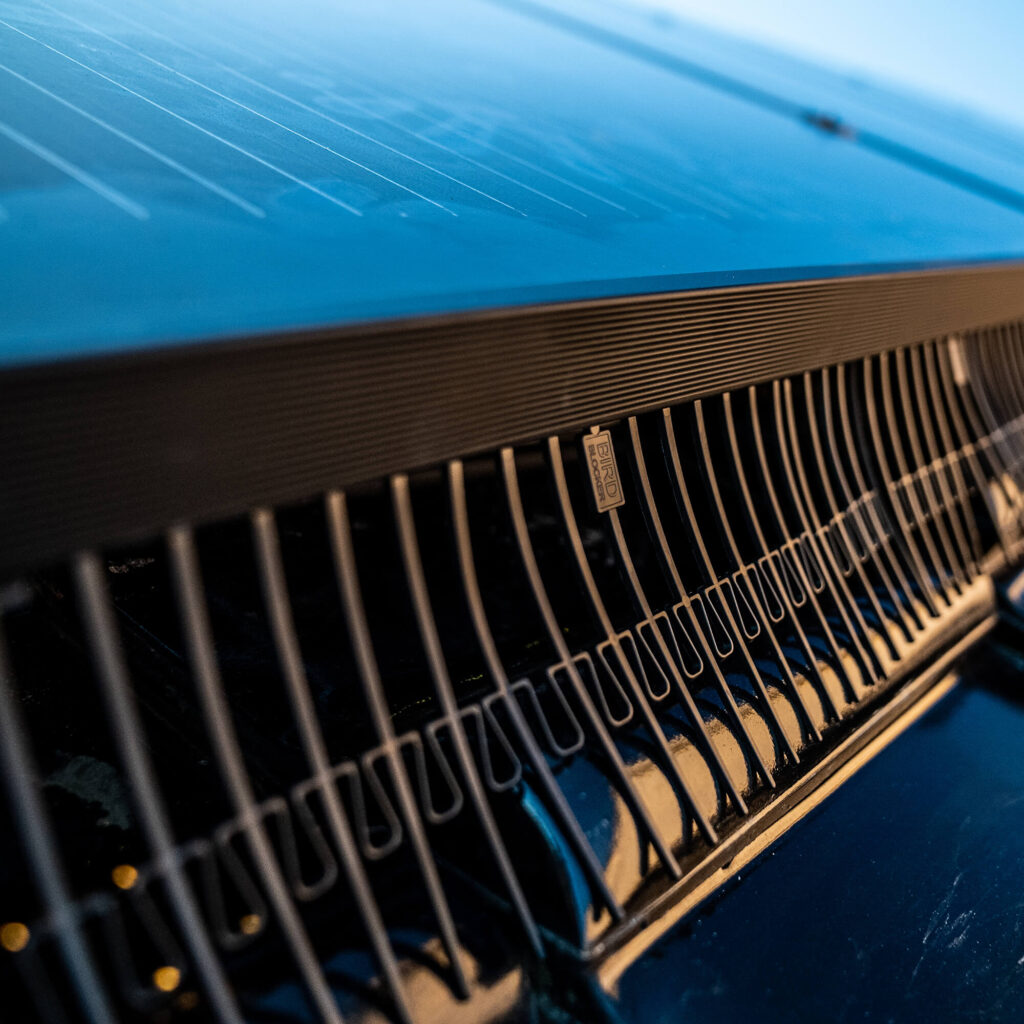
At Green Sky Renewables, we believe prevention is far better (and cheaper) than cure. That’s why we fit bird protection to every on-roof solar system we install – as standard. The only time we don’t do this, is if the system doesn’t need it, such as in roof systems, or if our client has asked us not to due to added cost. We stand by that paying for the cost of bird protection during the installation, will protect your investment, and save you money long term.
Here’s why we offer bird protection as standard:
- Immediate Protection – Your system is shielded from nesting activity from day one.
- Lower Cost Up Front – If bird protection is added later, it means re-hiring scaffolding, paying for additional labour, and potentially removing panels to install it. This can easily cost hundreds more than doing it during installation.
- Peace of Mind – Knowing your investment is secure helps you enjoy your solar savings without worrying about unexpected repair bills.
The Real Cost of Skipping Bird Protection
We regularly help homeowners who had solar installed without any bird protection. Many of them face infestations within the first year or two, and by the time the issue is addressed, the extra scaffolding, removal of panels, cleaning, and fitting of protection has cost them significantly more than if it had been fitted from the start.
In short – fitting bird protection at the same time as your solar array is a no-brainer.
A Small Step That Protects a Big Investment
Solar panels are built to last 25 years or more – but only if you take care of them. Bird protection is a simple, discreet solution that safeguards your system’s performance, ensures you stay within warranty terms, and maximises your return on investment.
At Green Sky Renewables, we don’t see it as an optional extra – we see it as essential. By including it as part of every on-roof installation, we’re helping you protect your energy savings, your roof, and your investment for decades to come.