
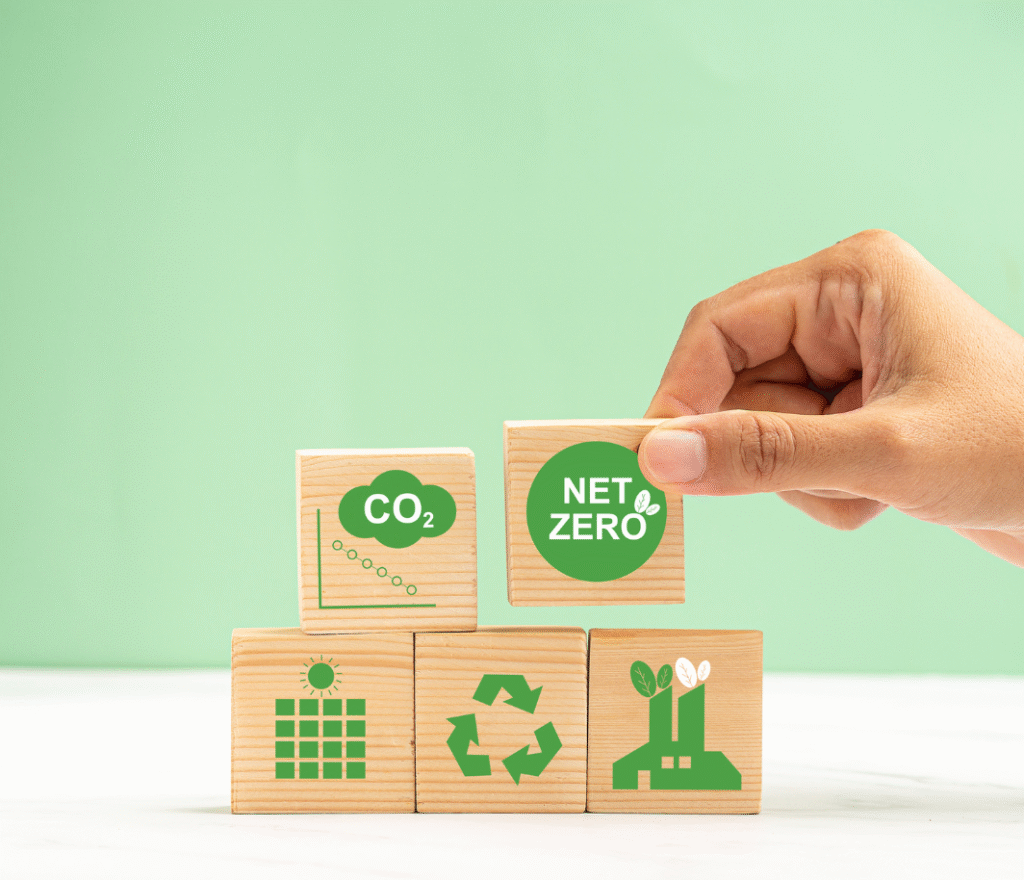
The United Kingdom has set a legally binding target to achieve net zero greenhouse gas emissions by 2050. This ambitious goal requires significant changes across various sectors, including the way we build, heat, and power our homes. As residential buildings account for approximately 20% of the UK’s carbon emissions, homeowners and landlords play a crucial role in this transition.
Understanding Net Zero
Net zero refers to the balance between the amount of greenhouse gases emitted into the atmosphere and the amount removed. Achieving net zero means that any emissions produced are offset by measures that remove an equivalent amount of greenhouse gases, such as planting trees or using carbon capture technologies.
In the context of UK homes, reaching net zero involves reducing energy consumption, improving energy efficiency, and transitioning to low-carbon energy sources.
Why Homes Matter in the Net Zero Journey
Homes contribute significantly to carbon emissions, primarily through:
- Heating and hot water: The majority of UK homes rely on gas boilers, which emit carbon dioxide when burning fossil fuels.
- Electricity use: Appliances, lighting, and other electrical systems consume energy, often generated from fossil fuels.
- Building materials and construction: The production and transportation of building materials also contribute to emissions.
Improving the energy efficiency of homes and adopting renewable energy sources are essential steps toward reducing these emissions.
Steps to Prepare Your Home for Net Zero
1. Enhance Insulation
Proper insulation reduces the amount of heat lost from your home, decreasing the need for heating and lowering energy bills. Key areas to insulate include:
- Loft and roof: Installing 270mm of loft insulation can significantly reduce heat loss.
- Walls: Cavity wall insulation is suitable for homes with cavity walls, while solid wall insulation is needed for solid wall properties.
- Floors: Insulating floors can prevent heat loss through the ground.
According to the Energy Saving Trust, improving insulation can lead to substantial energy savings and reduce carbon emissions.
2. Upgrade Windows and Doors
Replacing single-glazed windows with double or triple glazing minimizes heat loss and improves comfort. If full replacement isn’t feasible, secondary glazing or heavy curtains can also enhance energy efficiency.
3. Install Low-Carbon Heating Systems
Transitioning from gas or oil boilers to low-carbon heating options is vital. Consider:
- Air source heat pumps: Extract heat from the air to warm your home.
- Ground source heat pumps: Use heat from the ground for heating and hot water.
- Solar thermal systems: Harness solar energy to provide hot water.
These systems are more efficient and produce fewer emissions compared to traditional boilers.
4. Adopt Renewable Energy Sources
Installing solar photovoltaic (PV) panels allows you to generate your own electricity, reducing reliance on the grid and lowering energy bills. Excess energy can be stored in batteries or exported back to the grid under the Smart Export Guarantee scheme.
5. Improve Energy Efficiency
Simple changes can make a difference:
- LED lighting: Replacing traditional bulbs with LEDs reduces energy consumption.
- Smart thermostats: Optimise heating schedules and temperatures.
- Energy-efficient appliances: Choose appliances with high energy ratings.
These measures not only reduce emissions but also lead to cost savings.
6. Understand and Improve Your EPC Rating
An Energy Performance Certificate (EPC) rates your home’s energy efficiency from A (most efficient) to G (least efficient). Improving your EPC rating can enhance property value and make your home more attractive to buyers or tenants.
Financial Support and Incentives
Various schemes are available to support homeowners in making energy-efficient improvements:
- Energy Company Obligation (ECO): Provides funding for insulation and energy efficient upgrades.
- Green Homes Grant: Offers vouchers for energy-efficient home improvements.
- Smart Export Guarantee (SEG): Pays households for excess renewable electricity exported to the grid.
It’s advisable to consult with local authorities or energy advisors to explore available options. Speak to our team today and we can discuss what’s available to you.
The Role of Homeowners and Landlords
Achieving net zero is a collective effort. Homeowners and landlords can contribute by:
- Investing in energy-efficient upgrades: Prioritize improvements that offer the best return on investment.
- Educating tenants: Encourage energy-saving behaviours and provide guidance on using heating systems efficiently.
- Staying informed: Keep up to date with government policies and incentives related to energy efficiency.
Conclusion
Preparing your home for net zero is not only beneficial for the environment but also offers long-term financial advantages. By enhancing insulation, adopting renewable energy sources, and improving energy efficiency, you can reduce your carbon footprint and contribute to the UK’s climate goals.
At Green Sky Renewables, we specialise in helping homeowners and landlords transition to sustainable energy solutions. Contact us today for a consultation and take the first step toward a net zero future.