
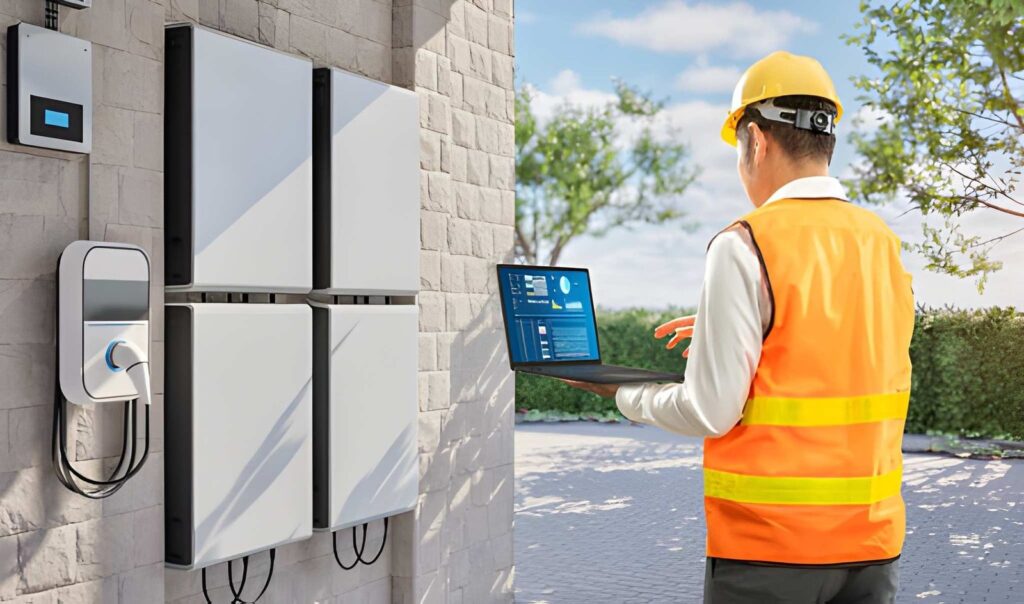
Electric vehicles are becoming increasingly common on the roads across Manchester, making home EV charging installation Manchester an important consideration for homeowners switching to electric mobility. As more residents adopt electric vehicles, the need for convenient and reliable home charging solutions continues to grow rapidly. Many drivers prefer charging their vehicle overnight rather than relying on public charging networks, which can often be busy or less convenient. This is why professional installation services from trusted companies like GreenSky Renewables are becoming essential for homeowners looking to future-proof their property.
Choosing the right electric car charger for home use is an important step for any EV owner. A dedicated charger allows faster charging, greater safety and better energy efficiency compared with a standard household socket. It also adds convenience because your vehicle can charge while you sleep or relax at home. With modern technology, many chargers include smart features such as energy monitoring, scheduling and mobile app control.
If you are considering home EV charging installation Manchester, understanding the process can help you make informed decisions. From selecting the right equipment to completing the installation safely, there are several steps involved. This guide explains everything Manchester residents need to know about installing an EV charger at home.
Why Install an EV Charger at Home?
Charging your vehicle at home offers a number of advantages compared with relying solely on public charging stations.
Convenience
Home charging means your car is ready whenever you need it. You can simply plug it in when you arrive home and wake up to a fully charged battery.
Faster Charging
A dedicated EV charger provides significantly faster charging speeds than a standard three-pin plug. This reduces waiting time and improves everyday convenience.
Lower Charging Costs
Electricity tariffs for home use are often cheaper than public charging networks. Many EV owners schedule charging during off-peak hours to reduce costs even further.
Increased Property Value
Properties with EV charging infrastructure are becoming more attractive to buyers. Installing a charger today can improve your home’s long-term value.
Types of Electric Car Chargers for Home
Before installing a charger, it is helpful to understand the common types available for residential use.
3 kW Chargers
These chargers provide slow charging speeds and are usually connected to a standard socket. They are suitable for occasional use but not ideal for daily EV charging.
7 kW Chargers
The most popular option for homes in the UK. A 7 kW charger provides a good balance between charging speed and installation cost.
22 kW Chargers
These chargers offer faster charging but require a three-phase electrical supply. They are less common in residential properties.
Step-by-Step Guide to EV Charging Point Installation
Installing an EV charger at home involves several stages. A professional installer will manage each step to ensure safety and compliance with UK regulations.
Step 1: Assess Your Home’s Electrical Capacity
The first step is checking your electrical supply. An installer will review your fuse board, available capacity and wiring to confirm that your property can support an EV charger.
Older homes may require electrical upgrades before installation can proceed.
Step 2: Choose the Right Charger
Selecting the right charger depends on several factors:
- Vehicle compatibility
- Charging speed requirements
- Smart features
- Budget
Most homeowners choose a 7 kW charger because it provides efficient overnight charging.
Step 3: Select the Installation Location
The charger should be installed in a convenient location, typically near your driveway or garage. Installers consider cable length, weather protection and ease of access.
A wall-mounted charger is the most common option for residential properties.
Step 4: Install the Charging Unit
During installation, a qualified technician will:
- Mount the charger unit securely on a wall
- Run cabling from the charger to the consumer unit
- Install safety protections such as circuit breakers
- Connect the system to your electrical supply
This process usually takes a few hours.
Step 5: Testing and Certification
Once installed, the system must be tested to ensure safe operation. Installers verify that the charger functions correctly and meets electrical safety standards.
You will also receive certification confirming that the installation complies with UK regulations.
Typical EV Charger Installation Timeline
The installation process is usually straightforward for most homes.
Installation Stage | Typical Time Required | Description |
Initial Consultation | 1–2 days | Discuss charger type and assess property |
Electrical Survey | 1 day | Evaluate electrical capacity and location |
Installation | 2–4 hours | Mount charger and connect wiring |
Testing & Setup | 30–60 minutes | Verify operation and configure smart features |
In many cases, the entire process from consultation to completion takes less than a week.
Smart Features in Modern EV Chargers
Today’s EV chargers include advanced technology that improves efficiency and user experience.
Mobile App Control
Many chargers allow you to monitor charging sessions using a smartphone app.
Scheduled Charging
Users can schedule charging during cheaper off-peak electricity hours.
Energy Monitoring
Smart chargers track electricity usage so homeowners can manage energy consumption more effectively.
Load Balancing
This feature prevents electrical overload by adjusting power usage automatically.
Residential Solar Plus EV Charging
An increasing number of Manchester homeowners are combining solar power with EV charging.
Residential solar plus EV charging allows homeowners to power their vehicle using renewable energy generated on their own roof. This combination offers several benefits.
- Lower electricity bills
- Reduced carbon footprint
- Greater energy independence
When paired with solar panels and battery storage, EV charging becomes even more efficient. The solar system generates electricity during the day, which can be stored and used to charge your vehicle later.
How to Find EV Home Charger Installation Near Me
If you search online for EV home charger installation near me, you will likely find several installers. However, choosing the right provider is important.
Here are a few factors to consider.
Certification
Installers should be qualified and experienced in EV charging point installation.
Experience
Look for companies that specialise in renewable energy and EV charging systems.
Product Quality
Reliable installers use high-quality charging equipment that meets UK standards.
Customer Reviews
Positive feedback from previous customers often indicates reliable service.
Costs of EV Charging Point Installation
The cost of installing a home charger can vary depending on several factors.
Typical factors affecting price include:
- Type of charger selected
- Cable length required
- Electrical upgrades needed
- Installation complexity
For most UK homes, installation costs typically range between £800 and £1,500 including the charger.
While the upfront cost may seem significant, long-term savings on fuel and public charging often make the investment worthwhile.
Safety and Regulations for EV Charger Installation
Electrical safety is a key consideration when installing EV charging equipment.
Professional installers follow strict UK standards to ensure safe operation. These regulations include:
- Proper circuit protection
- Safe cable routing
- Compliance with electrical codes
- Installation certification
Attempting to install an EV charger without professional expertise is not recommended.
Maintenance and Long-Term Care
EV chargers require minimal maintenance. However, regular checks can help ensure reliable performance.
Recommended maintenance tips include:
- Inspect cables for wear or damage
- Keep the charger clean and dry
- Ensure the mounting remains secure
- Schedule occasional system checks if required
Most modern chargers are designed to last many years with little maintenance.
Conclusion
Installing an EV charger at home is one of the most practical upgrades for electric vehicle owners in Manchester. It provides convenience, faster charging and lower long-term costs. With the rapid growth of electric vehicles, home charging infrastructure is quickly becoming an essential feature for modern homes.
By understanding the installation process, choosing the right charger and working with experienced professionals, homeowners can enjoy reliable EV charging for years to come. As technology continues to evolve, combining EV charging with renewable energy solutions such as solar panels will further enhance sustainability and energy efficiency.
If you are considering installing an EV charger at your property, speaking with professionals can help you find the best solution for your needs.
Contact the experts today to discuss your installation options:
FAQs
1. How long does home EV charger installation take?
Most installations take between two and four hours once the site survey and preparation are complete.
2. What type of charger is best for home use?
A 7 kW charger is typically the best option for UK homes because it offers efficient overnight charging.
3. Can I charge my EV using solar panels?
Yes. Residential solar plus EV charging allows homeowners to power their vehicle using renewable energy generated by solar panels.
4. Do I need planning permission to install an EV charger?
In most cases, planning permission is not required if the charger is installed on private property and follows standard guidelines.
5. Is it safe to install an EV charger myself?
No. EV charging point installation should always be completed by qualified professionals to ensure compliance with electrical safety standards.