
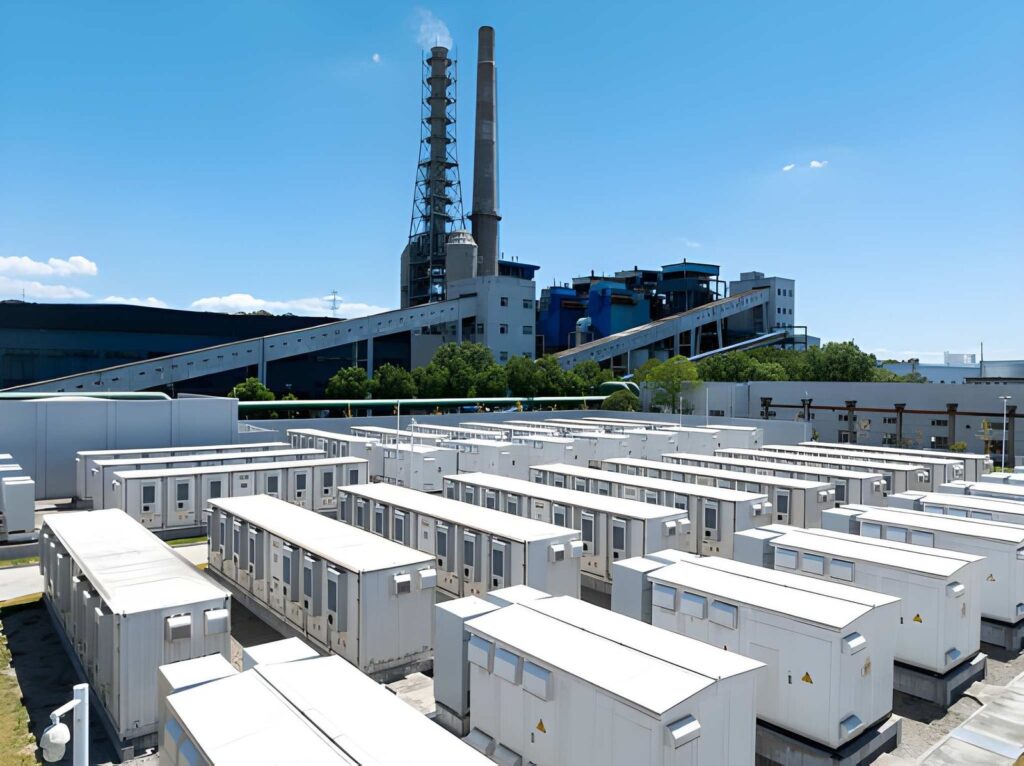
Energy costs continue to rise across the UK, and commercial battery storage is becoming an essential solution for businesses facing increasing pressure to manage power consumption more efficiently. Many organisations are now turning to renewable technologies and advanced storage systems to gain better control over their energy usage and reduce long-term costs. Companies such as GreenSky Renewables provide innovative solutions that allow businesses to store electricity and use it more efficiently throughout the day.
Commercial energy demand rarely follows a consistent pattern. Offices, manufacturing sites, warehouses, and retail facilities often experience fluctuating power requirements. During peak hours, electricity tariffs increase, which leads to higher operational costs. By integrating modern storage systems with renewable generation, organisations can manage when and how they use energy. This approach helps reduce reliance on the national grid while improving energy resilience.
One of the most effective ways to achieve this is through commercial battery storage. These systems allow businesses to capture energy when it is cheapest or when solar panels generate surplus electricity. That stored power can then be used during peak periods, reducing the need to purchase expensive grid electricity. As a result, companies gain greater control over their energy usage while supporting their sustainability goals.
Understanding Commercial Battery Storage
Commercial battery storage refers to large-scale battery systems designed specifically for business environments. Unlike residential batteries, these systems are engineered to handle higher loads and support complex energy management strategies.
A commercial battery storage solution stores electricity from sources such as:
- Solar power systems
- Off-peak grid electricity
- Backup generators
- Renewable energy systems
When energy demand rises or electricity prices increase, the stored power can be released and used within the business facility. This process ensures a more balanced and efficient energy supply.
Many organisations combine battery storage with a commercial solar power system, allowing them to store excess solar energy during the day and use it in the evening or during peak demand periods.
Why Businesses Are Investing in Battery Storage
Energy storage technology is becoming a key investment for companies looking to reduce operating costs and increase energy security.
1. Lower Energy Bills
One of the primary advantages of battery storage for businesses is cost reduction. By storing electricity during off-peak hours and using it during peak pricing periods, companies can significantly reduce their electricity bills.
2. Peak Demand Management
Electricity suppliers often charge higher rates when businesses exceed certain demand thresholds. Business energy storage systems help manage these spikes by supplying stored electricity when demand rises.
3. Improved Energy Independence
Battery storage allows companies to reduce reliance on the grid. This is particularly beneficial during power outages or supply disruptions.
4. Sustainability Goals
Businesses are increasingly focusing on environmental responsibility. Energy storage supports renewable energy usage and helps organisations reduce their carbon footprint.
How Commercial Battery Storage Works
A commercial battery storage system operates through several key components that work together to optimise energy usage.
- Energy Generation
Energy is produced through solar panels or drawn from the grid during off-peak hours. - Energy Storage
The electricity is stored in high-capacity lithium-ion batteries or other advanced battery technologies. - Energy Management System (EMS)
Smart software monitors electricity demand, generation levels, and energy prices. - Energy Distribution
Stored power is released when it is most beneficial for the business.
This process ensures efficient power management while maximising the value of renewable energy sources.
Integration with Commercial Solar Power Systems
Battery storage becomes even more effective when combined with solar energy systems. Many businesses generate excess solar electricity during daylight hours, particularly in the summer months.
Without storage, this surplus power is often exported back to the grid at relatively low rates. With battery storage, businesses can capture this electricity and use it later.
Benefits of combining solar and storage include:
- Increased use of renewable energy
- Reduced electricity purchases from the grid
- Greater control over energy consumption
- Lower long-term energy costs
This integrated approach is quickly becoming the preferred solution for modern commercial buildings.
Key Features of Business Energy Storage Systems
Modern business energy storage systems include advanced technology designed to optimise energy efficiency.
Common features include:
- Smart monitoring platforms
- Automatic load balancing
- Scalable battery capacity
- Remote energy management tools
- Integration with renewable energy systems
These features allow companies to monitor energy usage in real time and make informed decisions about power consumption.
Typical Commercial Battery Storage System Components
Component | Function | Benefit |
Battery Modules | Store electrical energy | Provide backup and peak energy supply |
Inverter | Converts stored DC energy into AC power | Makes energy usable within buildings |
Energy Management System | Monitors energy flow | Optimises consumption and cost savings |
Monitoring Software | Tracks performance | Provides real-time energy insights |
Safety Systems | Protect equipment | Ensures safe operation |
This combination of technologies allows businesses to operate more efficiently while maintaining energy stability.
Choosing the Right Energy Storage Installers
Selecting experienced energy storage installers is critical to achieving optimal performance from a battery system.
Professional installers provide several advantages:
- Site energy analysis
- Custom system design
- Integration with existing solar installations
- Compliance with UK safety standards
- Long-term system maintenance
A well-designed installation ensures that the storage system meets the specific needs of the business while delivering maximum return on investment.
Industries That Benefit from Battery Storage
Many sectors can benefit from battery storage technology. Businesses with high electricity demand or peak energy usage often see the greatest financial impact.
Industries that commonly adopt energy storage include:
Manufacturing Facilities
Manufacturing plants operate energy-intensive equipment. Storage systems help balance power demand and reduce peak tariffs.
Retail and Shopping Centres
Retail buildings experience fluctuating electricity usage throughout the day. Storage systems help stabilise power consumption.
Office Buildings
Large commercial offices benefit from reduced energy costs and improved sustainability credentials.
Warehouses and Logistics Centres
Facilities with extended operating hours use battery storage to optimise energy use during night operations.
Financial Benefits of Commercial Battery Storage
Investing in energy storage can deliver measurable financial returns for businesses.
Reduced Electricity Costs
Energy storage enables companies to avoid expensive peak-time electricity tariffs.
Government Incentives
In some cases, businesses may qualify for government incentives related to renewable energy and storage technologies.
Increased Return on Solar Investments
Battery storage ensures that more solar energy is used on-site rather than exported to the grid.
Long-Term Cost Stability
Energy prices fluctuate, but storage systems allow businesses to stabilise their energy expenses.
The Role of Energy Storage in Net Zero Strategies
The UK government has set ambitious targets to reduce carbon emissions and achieve net zero by 2050. Businesses are expected to play a significant role in reaching these goals.
Battery storage supports net zero strategies in several ways:
- Enabling greater use of renewable energy
- Reducing reliance on fossil-fuel-generated electricity
- Improving energy efficiency across commercial facilities
- Supporting sustainable infrastructure development
For organisations aiming to improve their environmental performance, energy storage represents a practical and effective solution.
Future Trends in Commercial Battery Storage
Battery technology continues to evolve rapidly. Over the coming years, several innovations are expected to shape the future of commercial energy storage.
Improved Battery Efficiency
New battery chemistries and designs are increasing energy density and lifespan.
AI-Based Energy Management
Artificial intelligence is being used to optimise energy usage based on demand patterns and pricing.
Grid Services Participation
Businesses with battery storage systems may be able to provide energy services to the grid, generating additional revenue.
Expanded Renewable Integration
As renewable energy adoption grows, battery storage will become a core component of commercial energy systems.
These developments will further strengthen the business case for energy storage investments.
Conclusion
Commercial energy strategies are evolving as businesses look for reliable ways to manage rising electricity costs and reduce environmental impact. Battery storage technology provides a practical solution that allows companies to store electricity, manage peak demand, and maximise renewable energy usage.
By implementing commercial battery storage, organisations can significantly improve their energy efficiency while gaining greater control over operational expenses. When combined with solar power systems and intelligent energy management, these solutions deliver long-term financial and environmental benefits.
For businesses seeking to optimise their energy infrastructure, battery storage represents an investment in both sustainability and cost reduction.
Contact the experts to explore tailored solutions:
FAQs
1. What is commercial battery storage?
Commercial battery storage is a system that stores electricity for use in commercial buildings. It allows businesses to save energy during low-cost periods and use it during peak demand.
2. How does battery storage help reduce energy costs?
Battery storage reduces energy costs by storing electricity when prices are low and using it when tariffs increase. This reduces reliance on expensive peak-time grid electricity.
3. Can battery storage work with a commercial solar power system?
Yes, battery storage works effectively with solar power systems by storing excess solar energy generated during the day for later use.
4. How long do commercial battery storage systems last?
Most commercial battery storage systems last between 10 and 15 years, depending on usage patterns and maintenance.
5. Do businesses need specialist installers for energy storage?
Yes, professional energy storage installers ensure systems are properly designed, safely installed, and integrated with existing energy infrastructure.