
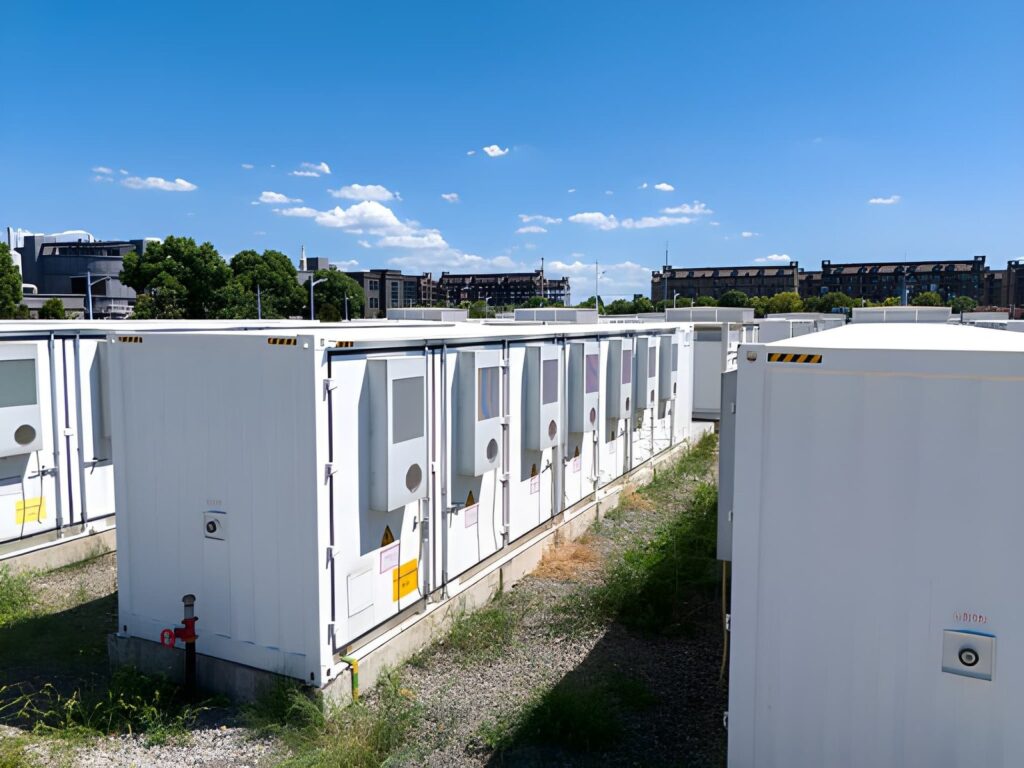
Energy costs remain one of the biggest financial pressures facing households across the UK, which is why battery storage for social housing is becoming an increasingly important solution for reducing energy bills and improving efficiency. For many residents in social housing, rising electricity and heating costs make it difficult to keep homes warm while managing monthly budgets. Housing providers are increasingly turning to modern renewable technologies to address these challenges. Companies like GreenSky Renewables are helping housing associations adopt cleaner energy systems that lower costs, store renewable power more effectively, and improve long-term sustainability.
One of the most promising technologies helping address fuel poverty is battery storage. By storing excess energy generated from renewable sources such as solar panels, housing providers can distribute power more efficiently throughout the day. This approach ensures residents benefit from lower electricity costs while also reducing dependence on traditional energy suppliers.
In Manchester, where local authorities and housing associations are actively pursuing sustainability goals, battery storage for social housing is becoming a key component of future energy strategies. Combined with solar installations, battery systems help deliver stable, affordable electricity to residents while supporting the UK’s wider net zero ambitions.
Understanding Fuel Poverty in Manchester
Fuel poverty occurs when households cannot afford to heat their homes adequately after covering essential living costs. It affects thousands of families across Manchester, particularly in older buildings with poor insulation and inefficient energy systems.
Several factors contribute to fuel poverty in social housing:
- Rising electricity and gas prices
- Older housing stock with inefficient heating systems
- Limited access to renewable energy technologies
- High demand for heating during colder months
Housing associations across Manchester are increasingly aware that addressing energy costs is not only a financial issue but also a social responsibility. Implementing renewable energy systems and energy storage technology can significantly improve living conditions for residents.
The Role of Battery Storage in Social Housing
Battery storage systems allow electricity generated from renewable sources to be stored and used later when demand is higher. Instead of sending surplus solar energy back to the grid, the energy can be used during evenings or peak hours when electricity prices are typically higher.
Key Benefits of Battery Storage
- Reduced Energy Bills
Stored electricity can be used during peak pricing periods, helping residents avoid higher tariffs. - Improved Energy Efficiency
Energy generated during the day can be used later, reducing wasted renewable energy. - Lower Carbon Emissions
Renewable energy storage supports cleaner energy usage and reduces reliance on fossil fuels. - Energy Independence
Housing developments become less reliant on external electricity providers.
Because of these advantages, battery storage for social housing is increasingly being integrated into new housing developments and retrofit programmes.
Combining Solar Power and Battery Storage
Solar energy installations on residential buildings are becoming common across the UK. However, without energy storage systems, much of the generated electricity can be lost or exported to the grid at low value.
By combining solar panels with battery systems, housing associations can create efficient energy ecosystems that benefit both landlords and tenants.
How the System Works
- Solar panels generate electricity during daylight hours.
- Homes use some of this electricity immediately.
- Excess electricity is stored in battery systems.
- Stored energy is used later when solar production decreases.
This model creates a consistent energy supply and reduces the need to purchase electricity from traditional providers.
Renewable Energy for Social Housing
Adopting renewable energy for social housing offers long term economic and environmental benefits. Many local councils are now setting clear sustainability targets, and energy storage plays a central role in achieving them.
Key renewable technologies used in social housing include:
- Solar photovoltaic panels
- Battery storage systems
- Heat pumps
- Smart energy management systems
Together, these solutions help create more resilient housing developments capable of producing and managing their own energy supply.
Housing Association Solar Installation Programmes
Housing associations are increasingly investing in solar installations to reduce energy costs across their property portfolios. These installations often cover multiple buildings or entire housing estates, generating substantial amounts of renewable electricity.
When solar energy is paired with battery storage, housing providers gain greater control over energy distribution. This makes housing association solar installation projects more efficient and financially sustainable.
Benefits for Housing Providers
- Lower long term energy costs
- Increased property value
- Reduced maintenance costs
- Improved environmental performance
Residents also benefit from lower electricity bills and improved energy security.
Low Carbon Housing Energy Solutions
Low-carbon housing energy solutions are essential for reducing greenhouse gas emissions across the UK’s residential sector. Social housing providers are uniquely positioned to lead this transition because they manage large property portfolios and can implement energy upgrades at scale.
Examples of low carbon energy solutions include:
- Solar power generation
- Energy storage systems
- Smart grid technology
- Improved building insulation
These technologies help reduce the environmental impact of residential buildings while also lowering operating costs.
Net Zero Housing Solutions and Government Targets
The UK government has committed to achieving net zero carbon emissions by 2050. Housing providers must play a significant role in achieving this target, particularly in urban areas like Manchester.
Net zero housing solutions focus on reducing emissions through:
- Renewable energy generation
- Efficient energy storage
- Improved building design
- Sustainable heating systems
Battery storage technologies support these initiatives by ensuring renewable electricity can be used efficiently throughout the day.
Example Energy Savings from Battery Storage Systems
The following table shows how battery storage can impact energy use in social housing developments.
Energy Feature | Without Battery Storage | With Battery Storage |
Solar energy usage | 40–50% used onsite | 70–90% used onsite |
Electricity purchased from grid | High | Significantly reduced |
Resident energy bills | Higher monthly costs | Lower and more predictable |
Carbon emissions | Moderate reduction | Significant reduction |
Energy reliability | Dependent on grid | Improved energy resilience |
This comparison highlights why battery storage for social housing is becoming a preferred strategy for energy management.
Manchester’s Growing Commitment to Sustainable Housing
Manchester has been recognised as one of the UK’s leading cities in climate action. The city council has introduced several initiatives to improve housing energy efficiency and reduce carbon emissions.
Projects often include:
- Solar installations on council housing
- Community energy projects
- Retrofit programmes for older properties
- Integration of energy storage technologies
These efforts are designed to improve living conditions while reducing the city’s environmental footprint.
Challenges in Implementing Battery Storage
Although the benefits are clear, implementing battery storage in social housing developments can involve certain challenges.
Common Barriers
- Initial installation costs
- Infrastructure upgrades required for older buildings
- Regulatory and planning considerations
- Resident awareness and engagement
However, funding schemes and government incentives are helping many housing associations overcome these challenges.
Future Outlook for Social Housing Energy Solutions
Energy technology continues to evolve rapidly. Battery storage systems are becoming more efficient, more compact, and more affordable.
Over the next decade, several trends are expected to shape the future of social housing energy:
- Increased adoption of solar and battery systems
- Smart grid integration across housing estates
- Greater use of AI energy management systems
- Stronger collaboration between councils and renewable energy providers
These developments will help ensure that sustainable housing becomes the standard rather than the exception.
Conclusion
Fuel poverty remains a serious challenge for many households in Manchester. However, renewable technologies provide practical solutions that can improve affordability and living conditions for residents in social housing.
Battery storage systems, when combined with solar installations, allow housing associations to make better use of renewable energy while reducing electricity costs for tenants. These technologies also support the UK’s broader sustainability goals by lowering carbon emissions and encouraging clean energy adoption.
As Manchester continues to expand its commitment to sustainable development, battery storage for social housing will play a critical role in building resilient, affordable, and environmentally responsible communities.
For housing providers interested in implementing renewable energy and battery storage solutions, contact us to learn how tailored systems can support your housing projects.
FAQs
1. What is battery storage for social housing?
Battery storage systems store electricity generated from renewable sources such as solar panels so it can be used later. This helps reduce energy costs and improve efficiency for social housing residents.
2. How does battery storage reduce fuel poverty?
By storing cheaper renewable electricity and using it during peak pricing periods, battery systems lower overall energy bills for residents.
3. Can existing social housing properties install battery storage?
Yes. Many housing associations retrofit battery systems alongside solar installations on existing buildings to improve energy efficiency.
4. Are renewable energy systems cost effective for housing associations?
Over time, renewable systems reduce electricity costs, maintenance expenses, and carbon emissions, making them a financially sustainable investment.
5. How do battery systems support net zero housing goals?
Battery storage improves the efficiency of renewable energy systems, helping housing developments reduce reliance on fossil fuels and lower carbon emissions.